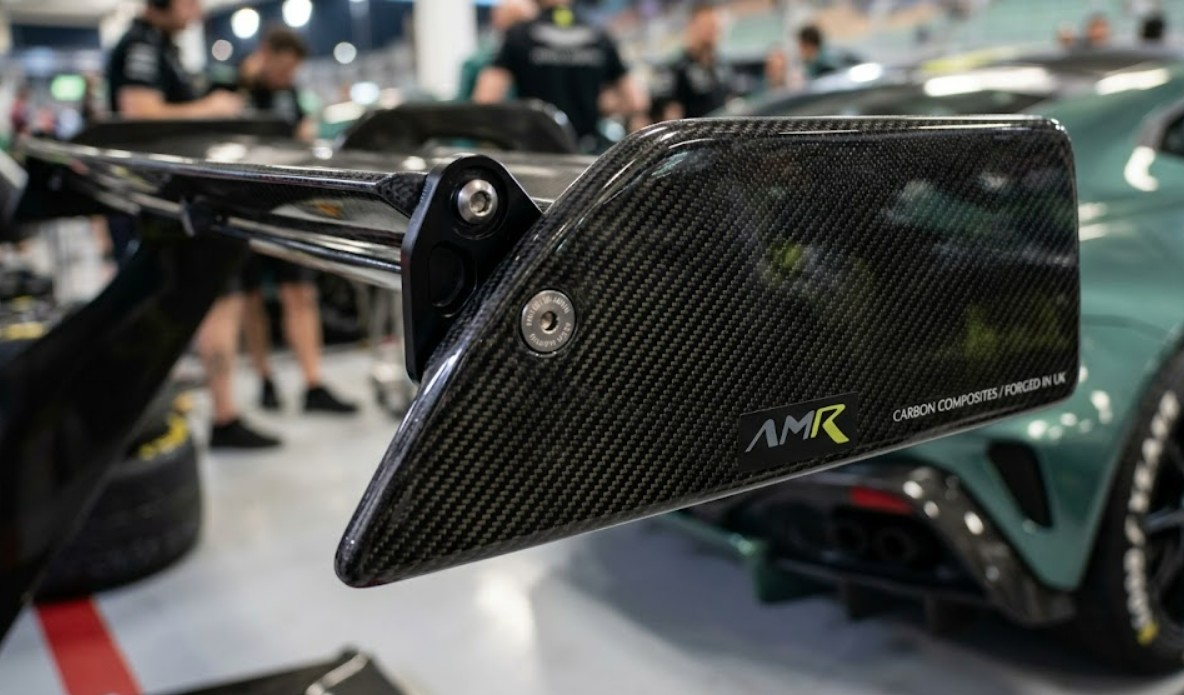
Close-up_detail_of_carbon_fiber_on_a_performance_car_part.
Sports Car Spoilers | Used Luxury-Car Parts

Why sports car spoilers matter

Sports car spoilers are one of the most recognizable exterior upgrades on a performance vehicle, but they are not only about looks. A well-chosen spoiler can help complete the visual language of a luxury car, support aerodynamic balance, and preserve the character of a specific model. For buyers looking at certified used luxury-car parts, the goal is usually not to make a car look louder for the sake of it. The goal is to find a part that feels correct, fits cleanly, and respects the design of the vehicle.

That is especially true in the luxury and exotic segment, where details matter. A spoiler on a Ferrari, Maserati, Lamborghini, Bentley, Porsche, or Aston Martin-style vehicle can change how the whole rear profile is perceived. Some cars look best with a subtle decklid lip, while others are built around a more dramatic fixed wing. Sports car spoilers can also matter to repair shops, body shops, resellers, and performance specialists because customers often want parts that match original specifications or at least feel appropriate to the model. When a used spoiler is selected carefully, it can be a practical replacement part, a tasteful upgrade, or a finishing detail after collision repair.

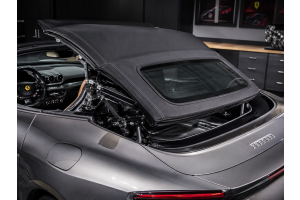
Rear view of a luxury sports car showing a fitted spoiler

How spoilers affect appearance and function

At a basic level, sports car spoilers are designed to influence airflow. On some vehicles, the effect is modest and mostly visual; on others, spoiler design is part of the wider performance package. A rear spoiler can help manage air as it leaves the vehicle, reduce lift, and contribute to stability at higher speeds. The exact result depends on the shape, placement, angle, vehicle speed, and how the part works with the rest of the bodywork.

For many buyers, though, the first question is still style. A carbon-fiber spoiler, painted factory spoiler, gloss black wing, or subtle lip spoiler can all send different signals. A small spoiler may make a grand tourer look more planted without changing its elegant personality. A larger wing may suit a track-focused build or a model that already has aggressive vents, splitters, and side intakes. This is why sports car spoilers should be chosen with the whole car in mind rather than judged as standalone accessories. A spoiler that looks perfect on a Lamborghini-inspired wedge shape may feel out of place on a restrained luxury coupe. A part that suits a modern supercar may overwhelm an older grand tourer. Color, material, mounting style, and factory design language all matter, and they matter even more when the vehicle is expensive, rare, or being prepared for resale.

Fitment first

Fitment should come before appearance. A spoiler that almost fits is not a good result on a luxury car. Mounting points, trunk curvature, body panel width, model year, trim level, and whether the vehicle originally came with a spoiler can all affect installation. Even small differences between trims can create problems if the buyer assumes that every part from the same model family is interchangeable. Before purchasing sports car spoilers, buyers should compare part numbers where possible, inspect photos closely, and confirm whether the spoiler is designed for the exact vehicle body style.

Used parts can be a smart option when fitment is the priority because they may come from dismantled vehicles that share the same original body design. Buyers exploring available donor inventory can start with dismantled vehicles to understand what kinds of luxury cars may have compatible components. For broader browsing across exterior categories, the parts categories page is also a useful starting point.

Materials buyers commonly compare

Sports car spoilers are commonly found in painted composite, carbon fiber, fiberglass, aluminum, or factory-molded materials depending on the vehicle and part type. Painted factory spoilers are often chosen for replacement work because they may preserve the original look. Carbon fiber is popular for performance-oriented builds because it is lightweight and visually associated with modern motorsport design. Fiberglass and aftermarket-style materials can be workable in some cases, but they may require more preparation, test fitting, and finishing before installation.

Condition matters as much as material. A used spoiler should be reviewed for cracks, broken mounting tabs, deep scratches, delamination, previous repairs, missing hardware, and uneven paint. Carbon fiber deserves extra attention because clear coat condition can vary, especially if the part has spent years exposed to sunlight. Painted spoilers may need refinishing if the color does not match, even if the structure is sound. For B2B buyers, this affects labor planning. A shop may be comfortable refinishing a premium used part if the underlying fitment is right, but it should know that before quoting the job. For B2C buyers, the same principle applies: the best value is not always the cheapest spoiler. The best value is often the one that fits properly, has manageable cosmetic needs, and matches the final goal for the car.

Buyers looking for carbon-style options can also browse a relevant search such as sports car spoiler and adjust the query if they are searching for a specific material, brand, or body component.

Choosing by vehicle character

Different luxury brands have different design personalities, and sports car spoilers should respect those differences. A Ferrari part may need to feel sculpted, purposeful, and tightly integrated with the rear bodywork. Buyers working on Ferrari models can begin with the Ferrari parts page when researching compatible used components. Maserati buyers may often be balancing sportiness with grand-touring elegance, which makes subtle fit and finish especially important; the Maserati parts section can be a relevant place to explore.

Lamborghini-style vehicles often support more dramatic aero pieces because their body shapes are already angular and performance-forward. In that context, a bold spoiler may look natural rather than excessive, provided it matches the model and mounting design. The Lamborghini parts page may be helpful for brand-specific browsing. Bentley buyers, by contrast, may prefer parts that enhance presence without disturbing the refined look of the car. A spoiler on a Bentley should usually feel integrated rather than theatrical, and buyers can begin with Bentley parts when researching options.

Replacement or upgrade

There is a meaningful difference between replacing a damaged spoiler and upgrading to a new look. Replacement buyers usually care most about accuracy: correct mounting points, correct finish, correct profile, and minimal bodywork disruption. Upgrade buyers may be more flexible, but they still need to think about how the spoiler interacts with the rest of the car. Sports car spoilers can look exciting in close-up photos, yet the real test is whether the part improves the whole vehicle from every angle.

For professional buyers, this distinction affects customer communication. A repair estimate should explain whether the part is intended to restore the vehicle to a previous condition or change the vehicle’s appearance. For individual owners, the same clarity helps avoid disappointment. A subtle lip spoiler may deliver the refined look they want. A large wing may create the track-inspired presence they imagined. Neither is automatically better; the right choice depends on the vehicle, the purpose, and the owner’s taste.
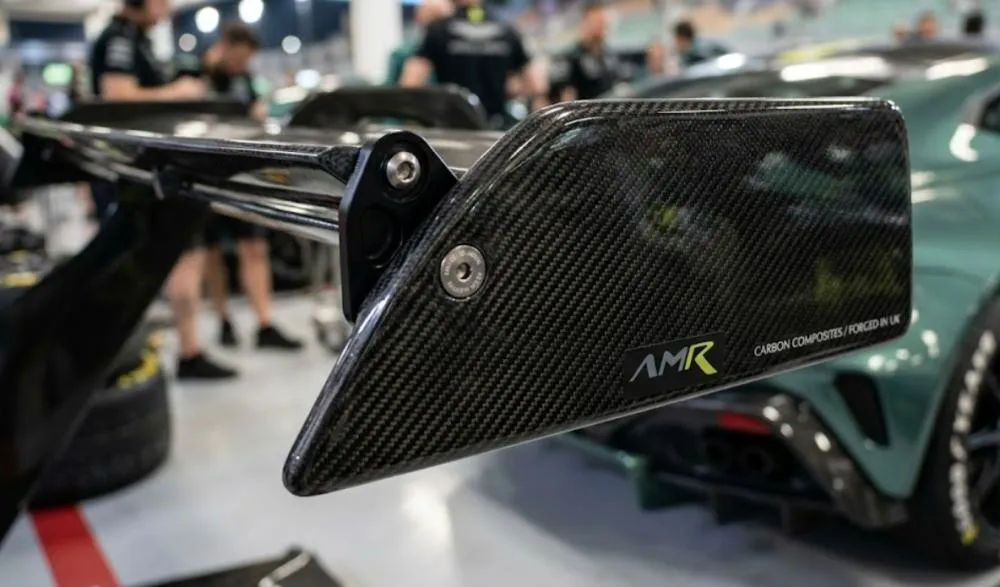
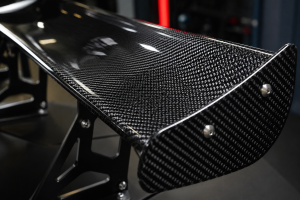
Close-up detail of carbon fiber on a performance car part

What to check before buying used

Before purchasing sports car spoilers, buyers should slow down and verify the basics. Confirm the exact model, year, body style, and trim. Ask whether hardware is included, especially if the mounting system uses brackets, bolts, gaskets, or covers that are difficult to source separately. Review the underside of the spoiler, not just the top surface. The underside often reveals broken studs, repairs, or stress marks that are not visible in beauty shots. Look for signs that the part has been removed carefully rather than forced off a vehicle. A cleanly removed spoiler is usually easier for a body shop to prepare and install.

It is also worth thinking about shipping and handling. Sports car spoilers can be long, curved, and vulnerable at the edges, which means packaging matters. A part may be structurally fine when purchased but still needs to arrive in usable condition. Shops and resellers should also consider storage space, because spoilers are awkward to stack and can be scratched if placed directly against other panels. For rare luxury models, keeping a correct used spoiler in good condition can be valuable because availability may fluctuate over time.

Questions to ask

Useful questions include: Is this spoiler original equipment or aftermarket? What vehicle was it removed from? Are the mounting points intact? Has it been repaired or repainted? Are there close-up photos of the corners, underside, and mounting tabs? Will it require refinishing before installation? These questions are simple, but they reduce risk for both retail and trade buyers.

If a buyer is unsure which spoiler is appropriate, the safest step is to contact the seller with vehicle details before ordering. Spares USA provides a contact page that buyers can use when they need help checking fitment or availability.

Final thoughts on premium spoiler selection

Sports car spoilers sit at the intersection of design, performance, and precision. They can make a luxury vehicle look complete, restore its original rear profile, or give it a more aggressive personality. But the best outcomes come from careful matching rather than impulse buying. For B2C owners, that means choosing a spoiler that suits the vehicle and the way it will be driven. For B2B buyers, it means balancing part condition, installation labor, customer expectations, and resale presentation.

Certified used luxury-car parts can be a practical path when the buyer wants premium fit and a more responsible way to source components. The key is to treat sports car spoilers like serious body parts, not decorative extras. Look at fitment, material, condition, mounting hardware, finish, and brand character before making a decision. When all of those pieces align, the result can feel seamless: a rear profile that looks intentional, refined, and ready for the road.

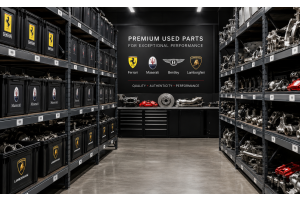
Luxury sports car parked in a clean garage setting

Sports Car Spoilers | Used Luxury-Car Parts

Close-up_detail_of_carbon_fiber_on_a_performance_car_part.
Sports Car Spoilers | Used Luxury-Car Parts

Why sports car spoilers matter

Sports car spoilers are one of the most recognizable exterior upgrades on a performance vehicle, but they are not only about looks. A well-chosen spoiler can help complete the visual language of a luxury car, support aerodynamic balance, and preserve the character of a specific model. For buyers looking at certified used luxury-car parts, the goal is usually not to make a car look louder for the sake of it. The goal is to find a part that feels correct, fits cleanly, and respects the design of the vehicle.

That is especially true in the luxury and exotic segment, where details matter. A spoiler on a Ferrari, Maserati, Lamborghini, Bentley, Porsche, or Aston Martin-style vehicle can change how the whole rear profile is perceived. Some cars look best with a subtle decklid lip, while others are built around a more dramatic fixed wing. Sports car spoilers can also matter to repair shops, body shops, resellers, and performance specialists because customers often want parts that match original specifications or at least feel appropriate to the model. When a used spoiler is selected carefully, it can be a practical replacement part, a tasteful upgrade, or a finishing detail after collision repair.

Rear view of a luxury sports car showing a fitted spoiler

How spoilers affect appearance and function

At a basic level, sports car spoilers are designed to influence airflow. On some vehicles, the effect is modest and mostly visual; on others, spoiler design is part of the wider performance package. A rear spoiler can help manage air as it leaves the vehicle, reduce lift, and contribute to stability at higher speeds. The exact result depends on the shape, placement, angle, vehicle speed, and how the part works with the rest of the bodywork.

For many buyers, though, the first question is still style. A carbon-fiber spoiler, painted factory spoiler, gloss black wing, or subtle lip spoiler can all send different signals. A small spoiler may make a grand tourer look more planted without changing its elegant personality. A larger wing may suit a track-focused build or a model that already has aggressive vents, splitters, and side intakes. This is why sports car spoilers should be chosen with the whole car in mind rather than judged as standalone accessories. A spoiler that looks perfect on a Lamborghini-inspired wedge shape may feel out of place on a restrained luxury coupe. A part that suits a modern supercar may overwhelm an older grand tourer. Color, material, mounting style, and factory design language all matter, and they matter even more when the vehicle is expensive, rare, or being prepared for resale.

Fitment first

Fitment should come before appearance. A spoiler that almost fits is not a good result on a luxury car. Mounting points, trunk curvature, body panel width, model year, trim level, and whether the vehicle originally came with a spoiler can all affect installation. Even small differences between trims can create problems if the buyer assumes that every part from the same model family is interchangeable. Before purchasing sports car spoilers, buyers should compare part numbers where possible, inspect photos closely, and confirm whether the spoiler is designed for the exact vehicle body style.

Used parts can be a smart option when fitment is the priority because they may come from dismantled vehicles that share the same original body design. Buyers exploring available donor inventory can start with dismantled vehicles to understand what kinds of luxury cars may have compatible components. For broader browsing across exterior categories, the parts categories page is also a useful starting point.

Materials buyers commonly compare

Sports car spoilers are commonly found in painted composite, carbon fiber, fiberglass, aluminum, or factory-molded materials depending on the vehicle and part type. Painted factory spoilers are often chosen for replacement work because they may preserve the original look. Carbon fiber is popular for performance-oriented builds because it is lightweight and visually associated with modern motorsport design. Fiberglass and aftermarket-style materials can be workable in some cases, but they may require more preparation, test fitting, and finishing before installation.

Condition matters as much as material. A used spoiler should be reviewed for cracks, broken mounting tabs, deep scratches, delamination, previous repairs, missing hardware, and uneven paint. Carbon fiber deserves extra attention because clear coat condition can vary, especially if the part has spent years exposed to sunlight. Painted spoilers may need refinishing if the color does not match, even if the structure is sound. For B2B buyers, this affects labor planning. A shop may be comfortable refinishing a premium used part if the underlying fitment is right, but it should know that before quoting the job. For B2C buyers, the same principle applies: the best value is not always the cheapest spoiler. The best value is often the one that fits properly, has manageable cosmetic needs, and matches the final goal for the car.

Buyers looking for carbon-style options can also browse a relevant search such as sports car spoiler and adjust the query if they are searching for a specific material, brand, or body component.

Choosing by vehicle character

Different luxury brands have different design personalities, and sports car spoilers should respect those differences. A Ferrari part may need to feel sculpted, purposeful, and tightly integrated with the rear bodywork. Buyers working on Ferrari models can begin with the Ferrari parts page when researching compatible used components. Maserati buyers may often be balancing sportiness with grand-touring elegance, which makes subtle fit and finish especially important; the Maserati parts section can be a relevant place to explore.

Lamborghini-style vehicles often support more dramatic aero pieces because their body shapes are already angular and performance-forward. In that context, a bold spoiler may look natural rather than excessive, provided it matches the model and mounting design. The Lamborghini parts page may be helpful for brand-specific browsing. Bentley buyers, by contrast, may prefer parts that enhance presence without disturbing the refined look of the car. A spoiler on a Bentley should usually feel integrated rather than theatrical, and buyers can begin with Bentley parts when researching options.

Replacement or upgrade

There is a meaningful difference between replacing a damaged spoiler and upgrading to a new look. Replacement buyers usually care most about accuracy: correct mounting points, correct finish, correct profile, and minimal bodywork disruption. Upgrade buyers may be more flexible, but they still need to think about how the spoiler interacts with the rest of the car. Sports car spoilers can look exciting in close-up photos, yet the real test is whether the part improves the whole vehicle from every angle.

For professional buyers, this distinction affects customer communication. A repair estimate should explain whether the part is intended to restore the vehicle to a previous condition or change the vehicle’s appearance. For individual owners, the same clarity helps avoid disappointment. A subtle lip spoiler may deliver the refined look they want. A large wing may create the track-inspired presence they imagined. Neither is automatically better; the right choice depends on the vehicle, the purpose, and the owner’s taste.

Close-up detail of carbon fiber on a performance car part

What to check before buying used

Before purchasing sports car spoilers, buyers should slow down and verify the basics. Confirm the exact model, year, body style, and trim. Ask whether hardware is included, especially if the mounting system uses brackets, bolts, gaskets, or covers that are difficult to source separately. Review the underside of the spoiler, not just the top surface. The underside often reveals broken studs, repairs, or stress marks that are not visible in beauty shots. Look for signs that the part has been removed carefully rather than forced off a vehicle. A cleanly removed spoiler is usually easier for a body shop to prepare and install.

It is also worth thinking about shipping and handling. Sports car spoilers can be long, curved, and vulnerable at the edges, which means packaging matters. A part may be structurally fine when purchased but still needs to arrive in usable condition. Shops and resellers should also consider storage space, because spoilers are awkward to stack and can be scratched if placed directly against other panels. For rare luxury models, keeping a correct used spoiler in good condition can be valuable because availability may fluctuate over time.

Questions to ask

Useful questions include: Is this spoiler original equipment or aftermarket? What vehicle was it removed from? Are the mounting points intact? Has it been repaired or repainted? Are there close-up photos of the corners, underside, and mounting tabs? Will it require refinishing before installation? These questions are simple, but they reduce risk for both retail and trade buyers.

If a buyer is unsure which spoiler is appropriate, the safest step is to contact the seller with vehicle details before ordering. Spares USA provides a contact page that buyers can use when they need help checking fitment or availability.

Final thoughts on premium spoiler selection

Sports car spoilers sit at the intersection of design, performance, and precision. They can make a luxury vehicle look complete, restore its original rear profile, or give it a more aggressive personality. But the best outcomes come from careful matching rather than impulse buying. For B2C owners, that means choosing a spoiler that suits the vehicle and the way it will be driven. For B2B buyers, it means balancing part condition, installation labor, customer expectations, and resale presentation.

Certified used luxury-car parts can be a practical path when the buyer wants premium fit and a more responsible way to source components. The key is to treat sports car spoilers like serious body parts, not decorative extras. Look at fitment, material, condition, mounting hardware, finish, and brand character before making a decision. When all of those pieces align, the result can feel seamless: a rear profile that looks intentional, refined, and ready for the road.

Luxury sports car parked in a clean garage setting
Previous Used Lambo Gear: Smart Buying Guide
Next Maserati Exhaust Systems: Used Parts Guide
Comment(s)